
Anaerobic Digester for Home Use
September 2022 - May 2023
Objective
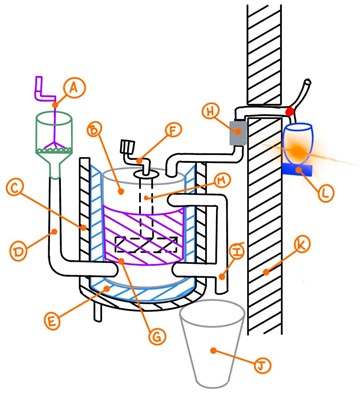
The goal of this capstone project was to design and develop a compact anaerobic digester for residential use, capable of converting organic waste into biogas, primarily methane, for energy applications such as lighting a gas lamp. The project aimed to provide a sustainable and efficient alternative to landfill disposal by creating a system that is safe, cost-effective, and manufacturable. The focus was on optimizing the system’s fluid flow, gas transport, and ease of production, ensuring it could be implemented in a household setting with minimal maintenance.
Project Contributions
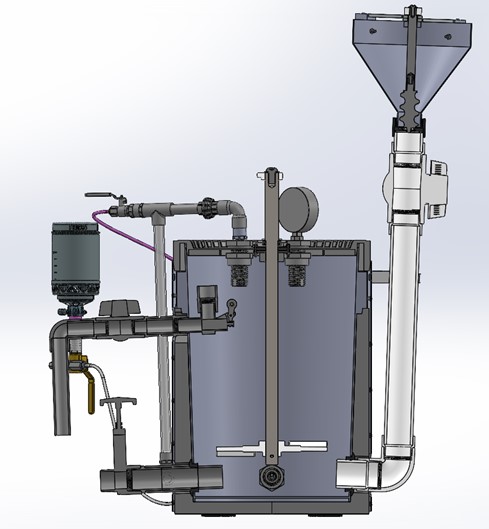
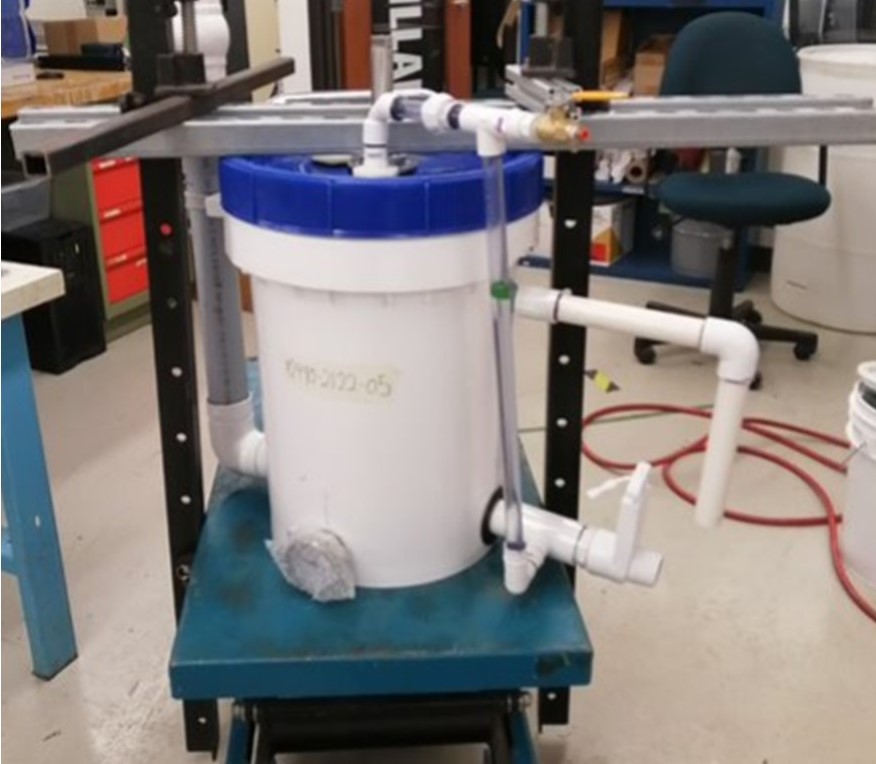
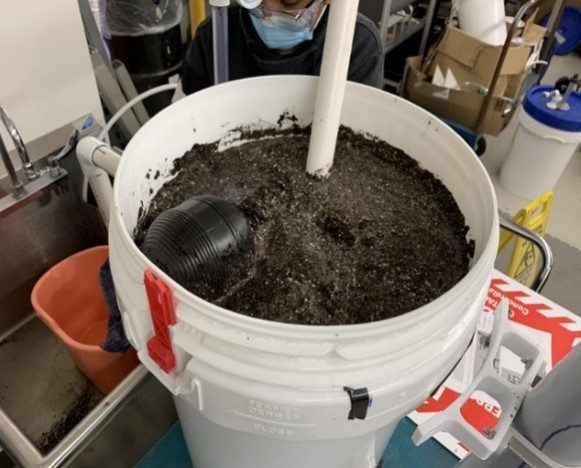
My primary contributions included fluid dynamics analysis, where I examined the movement of organic waste and biogas within the digester to optimize flow conditions and improve methane production. I also designed the piping system, determining optimal routing, material selection, and sizing to ensure efficient gas transport and slurry disposal while maintaining ease of manufacturing and assembly. To ensure system integrity, I was actively involved in testing and validation, conducting leak tests, pressure evaluations, and temperature control assessments to confirm the system’s safety and efficiency. Additionally, I worked on design-for-manufacturing (DFM), refining component layouts and material choices to enhance cost-effectiveness, reliability, and scalability. This required balancing engineering precision with practical constraints, ensuring the system was functional, durable, and easy to implement.
Images

Skills and Technical Details Gained
- Gained experience in fluid dynamics related to gas transport, slurry movement, and system pressure regulation.
- Developed hands-on skills in mechanical system validation, including leak detection, pressure testing, and thermal regulation.
- Strengthened expertise in piping design, ensuring efficient layout, durability, and manufacturability.
- Applied design-for-manufacturing (DFM) principles to optimize production feasibility and cost-effectiveness.
- Improved team collaboration and problem-solving skills by working in a multidisciplinary environment.
This project reinforced my ability to analyze, design, and validate mechanical systems while considering real-world constraints such as cost, safety, and manufacturability.